History & tradition · Marseille
Marseille-style pizza: half-and-half, anchovies and wood fire, the story of a harbour tradition
It did not arrive yesterday. In Marseille, pizza grew up on the quays, in the harbour streets and in the back of trucks, until it became a true neighbourhood dish.
Book a table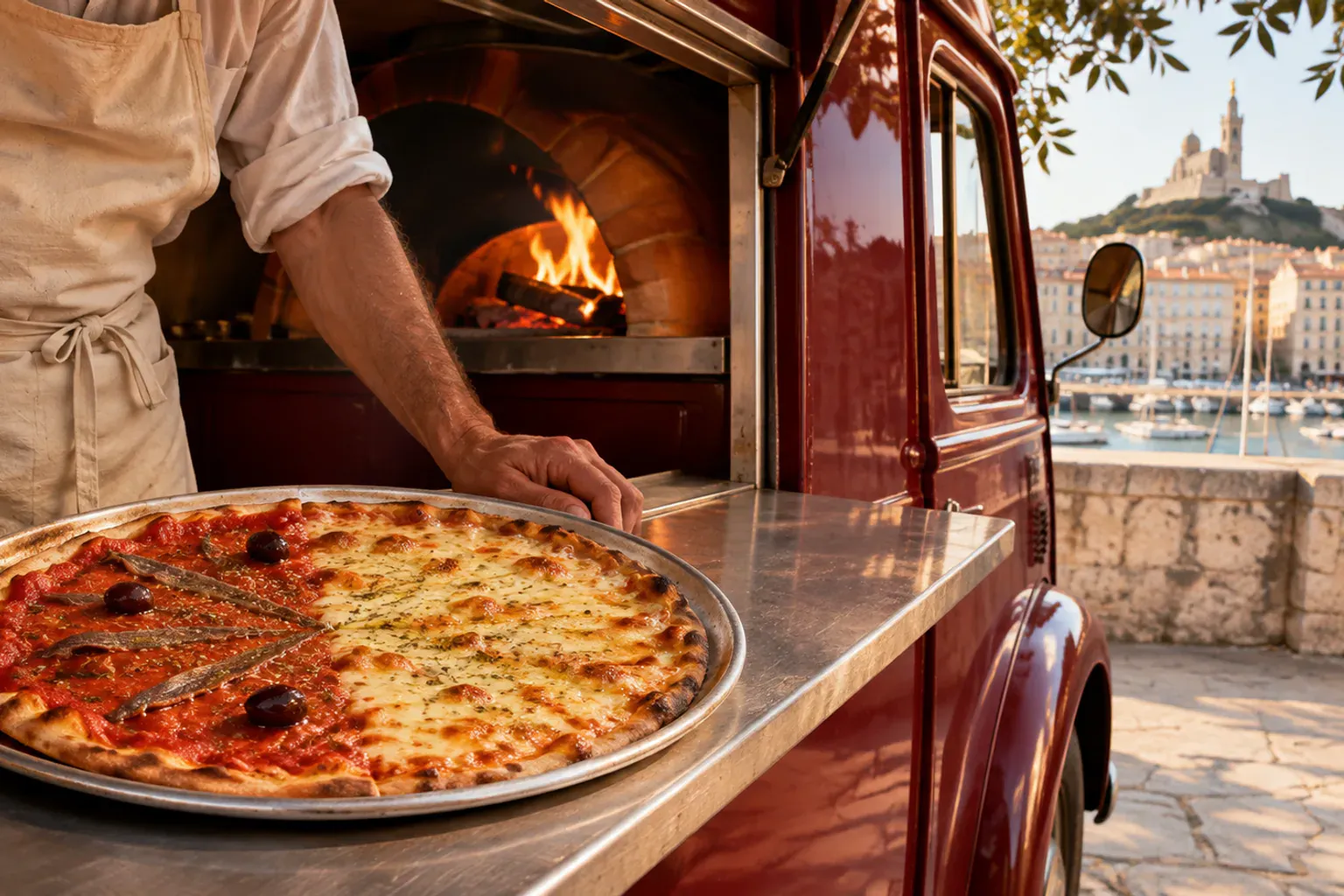
Marseille-style pizza has a thin, crisp base, bakes fast at very high heat, and carries Mediterranean toppings: anchovies, black olives, tomato, oregano and olive oil. It owes its history to Italian immigration and to neighbourhood pizza trucks. Its signature is the half-and-half, or mezzo mezzo: anchovies on one side, cheese on the other. It is shared in slices in the middle of the table.
A neighbourhood dish, born on the quays
Ask someone from Marseille about pizza and you will get a memory rather than a concept: a truck on a square, a warm box on a car bonnet. Here, pizza belongs to the landscape.
This article traces where it comes from and how to order it like a local. If you would rather sit down to eat, see our page on wood-fired pizza at Pointe Rouge.
Marseille, France's other pizza city
Italian and Neapolitan immigration at the harbour
From the late 19th century, the port drew a large Italian workforce, many of whom settled near the quays.
Pizza came with them: cheap, simple street food that suited a city sharing Naples' bond with the sea.
The first pizzerias and the city's reputation
Marseille is often considered one of the first French cities where pizza truly took root, though dates and names vary with the telling.
That long history gave the city time to make pizza its own, and to argue about it as fiercely as bouillabaisse.
The pizza truck, a Marseille institution
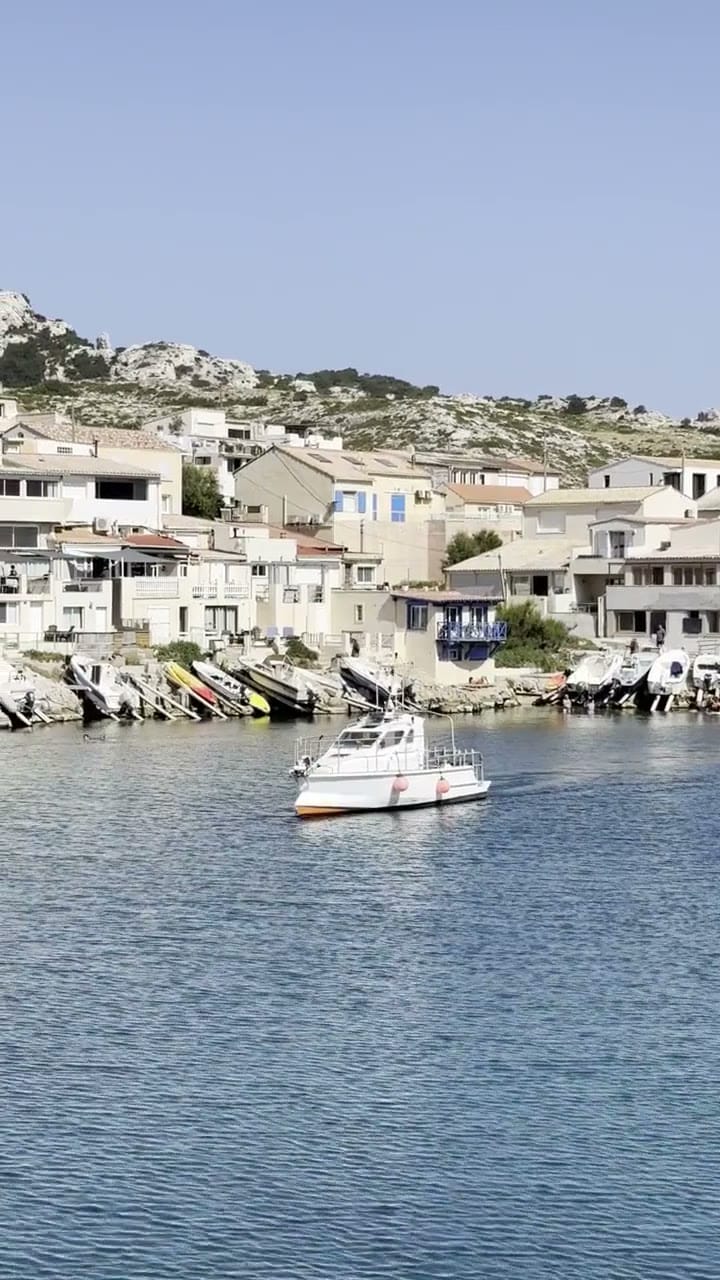
A truck, an on-board wood oven and a pizzaiolo working in full view on a neighbourhood square: these are generally dated to the second half of the 20th century.
They set the habits: a pizza made to travel, cut to share and ordered without ceremony.
What makes a pizza Marseille-style
There is no official label: like many Marseille specialities, it is defined by habit rather than rules.
The base: thin, crisp, quickly baked
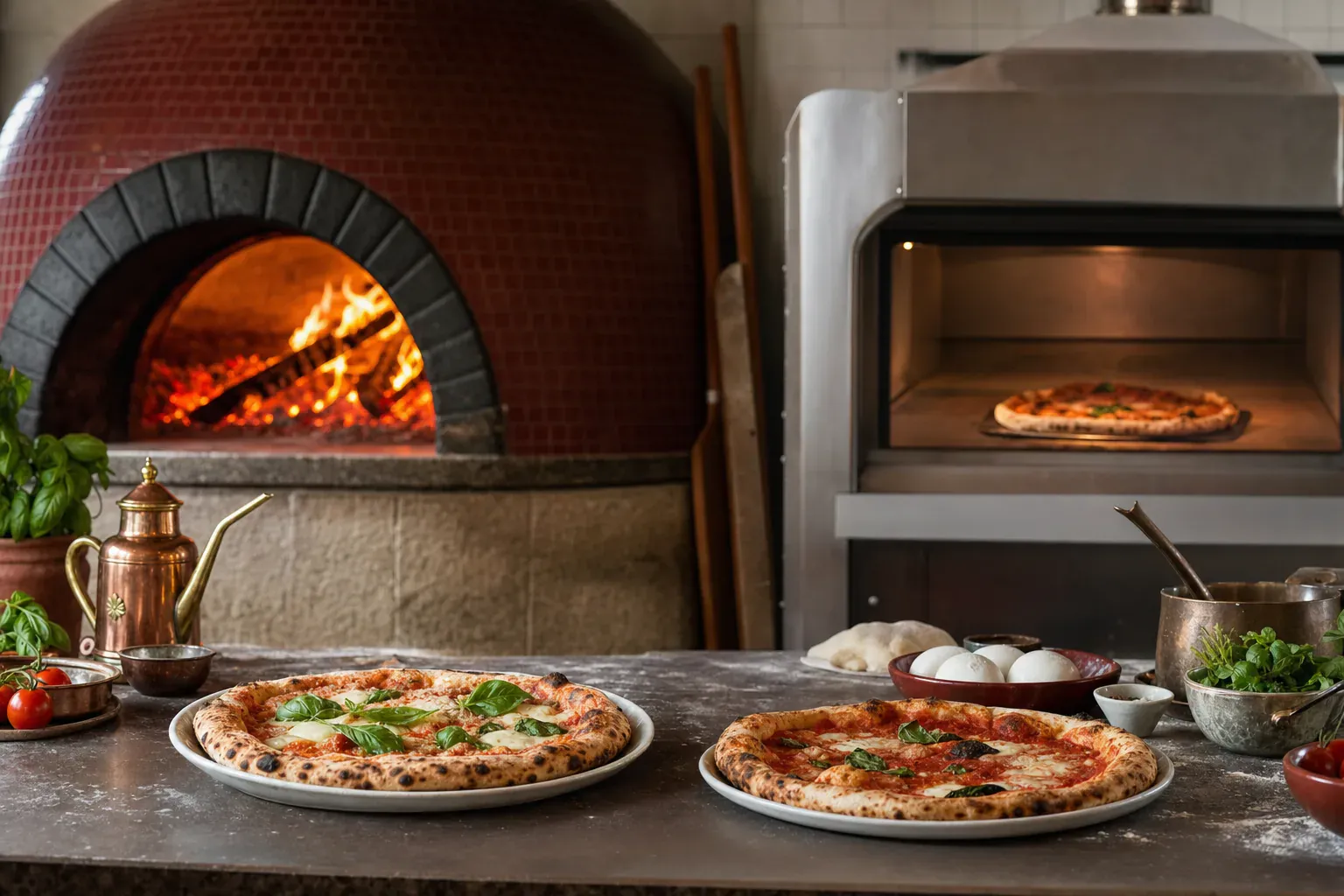
The dough is stretched thin and baked fast at very high heat, with a crisp underside and a discreet edge.
It is made for sharing, often eaten by hand, slice after slice.
The half-and-half (mezzo mezzo)
Anchovies on one side, cheese on the other, on one pizza: there is always someone at the table who loves anchovies and someone who does not.
Those who know the codes simply ask for a half-and-half.
Mediterranean ingredients
The toppings stay short and legible, with frank flavours.
Anchovy
Salty and marine, it gives the pizza its character.
Black olive
A soft, slightly bitter note.
Tomato
A simple base that leaves room for the rest.
Oregano
The scent of the Provençal hills.
Olive oil
A finishing drizzle that ties it all together.
Marseille or Neapolitan pizza: two styles
Cousins that took different paths. These are broad tendencies, not strict rules.
| Style | Marseille | Neapolitan |
|---|---|---|
| The base | Thin and crisp, with a discreet edge. | Soft in the centre, with a thick, puffed edge. |
| The toppings | Anchovies, cheese, black olives, oregano, often half-and-half. | Tomato, mozzarella, basil: sober and uniform. |
| How it is eaten | Cut into slices and shared. | Whole and individual, often with knife and fork. |

The sea on the pizza
Anchovies, the marine signature of Marseille-style pizza
On a Marseille pizza, the anchovy is a matter of identity, and it has long divided tables.
Why anchovies won over a city of fishermen
Salted anchovies keep well, cost little and give great flavour: ideal for popular cooking.
They also belong to an old Provençal tradition. Read about how the fish of Pointe Rouge is caught.
What if you don't like anchovies?
That is the point of the half-and-half: nobody has to give anything up.
It is also the best way to try a small piece, with no commitment.

How pizza is eaten in Marseille
Shared in the middle of the table
The pizza arrives cut into slices and goes in the centre. Everyone helps themselves.
When there are several of you, vary the pizzas and let the table decide.
On a terrace, late in the day, after the beach
Pizza has its favourite hour: when the heat drops, after a day enjoying the beach and the harbour at Pointe Rouge.
Pizza and fish at the same table
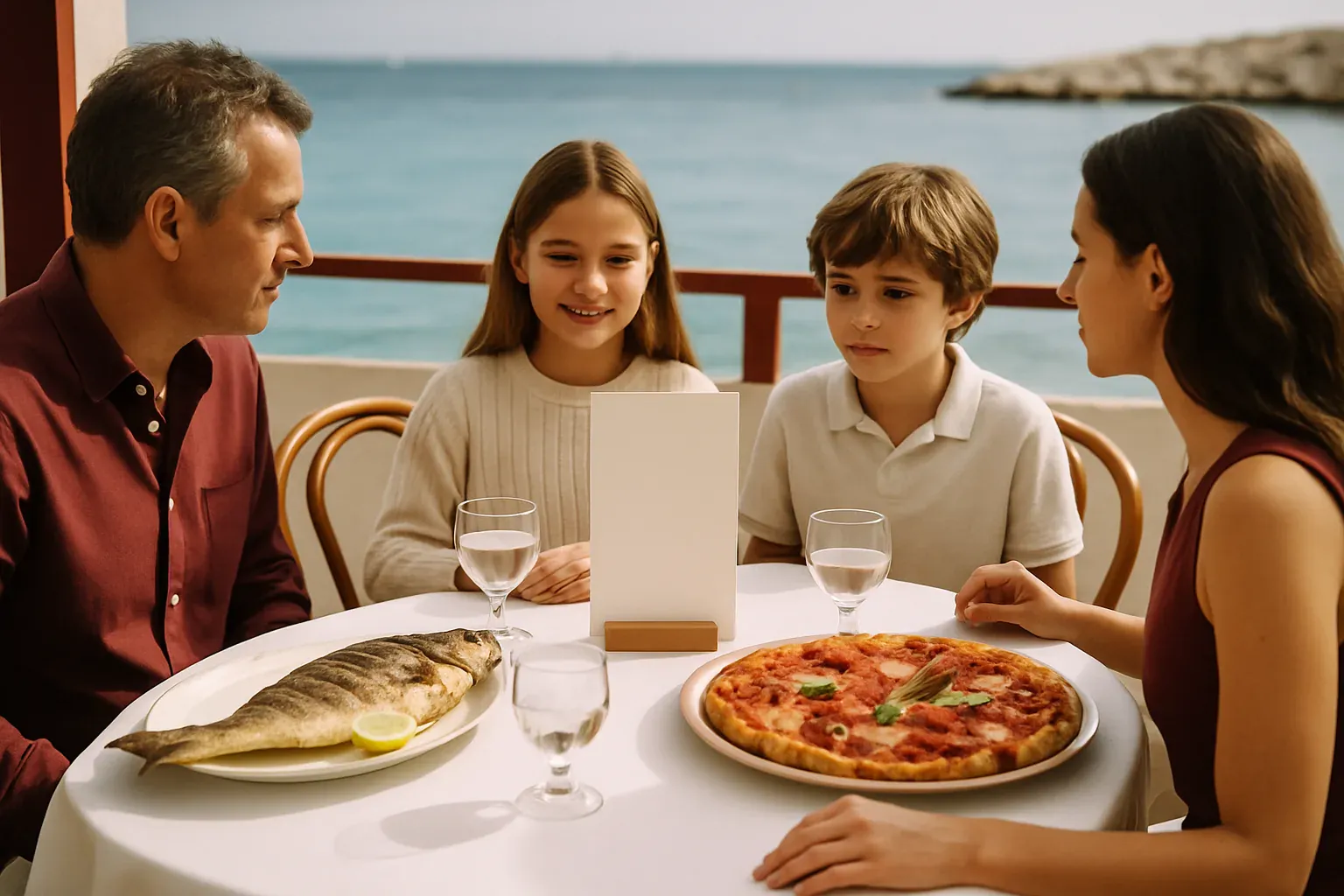
In a harbour city nobody is surprised to see them together. We wrote a whole article on it: grilled fish or wood-fired pizza for a family meal.
Marseille-style pizza today: tradition and creations
The classics hold firm, while pizzaiolos now also compose signature recipes with fresh produce and creamy cheeses.
These creations often keep the anchovy, olive oil and tomato. It is what we try to do at our pizzeria in the 13008, where wood-fired pizza at Pointe Rouge links both worlds.
Mezzo mezzo
Anchovies and cheese: the half-and-half at its most faithful.
L'Estéou
Persillade, stracciatella, anchovies, fresh and sun-dried tomatoes: our signature.
Fromage
The straightforward cheese classic, for young and old alike.
Frequently asked questions
What is a half-and-half pizza?
A pizza with anchovies on one side and cheese on the other. Also called mezzo mezzo, it is the great signature of Marseille-style pizza.
Why do Marseille pizzas have anchovies?
The anchovy is a historic Mediterranean product: salted, it keeps well, costs little and gives great flavour.
What is the difference between Marseille and Neapolitan pizza?
Marseille pizza usually has a thin, crisp base and is shared in slices. Neapolitan pizza has a soft base with a puffed edge and is usually eaten whole.
Is Marseille-style pizza always wood-fired?
Not always, but wood is the reference in the local tradition. At l'Estéou, our pizzas are wood-fired.
Where can I taste Marseille-style pizza facing the sea?
At l'Estéou, 1 Avenue de la Pointe Rouge, in Marseille's 8th arrondissement: the Mezzo mezzo is on the menu, on a terrace facing the harbour.
Tasting the Mezzo mezzo facing the harbour
Marseille-style pizza tells the city's story: a welcoming port, an adopted recipe and a way of sharing that settles arguments by cutting the pizza in two.
The simplest way is to taste it by the water. Discover our wood-fired pizza at Pointe Rouge, then book your table.
Book a table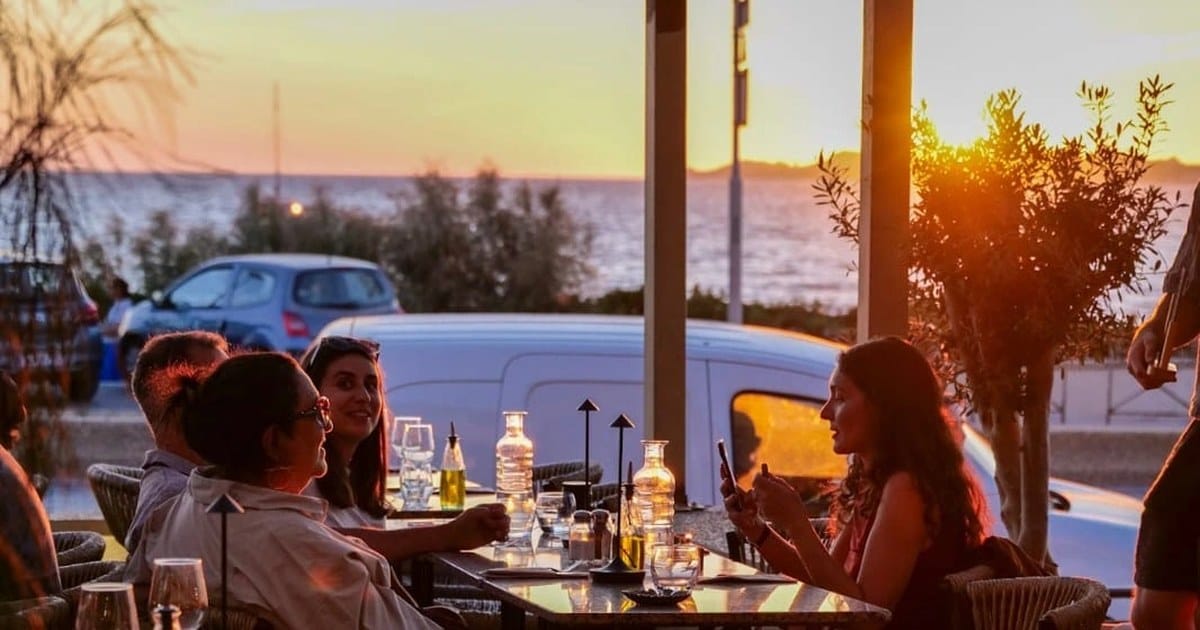
Keep exploring
From pizza to harbour, these pages extend the story at Pointe Rouge.
Back to the source, out at sea
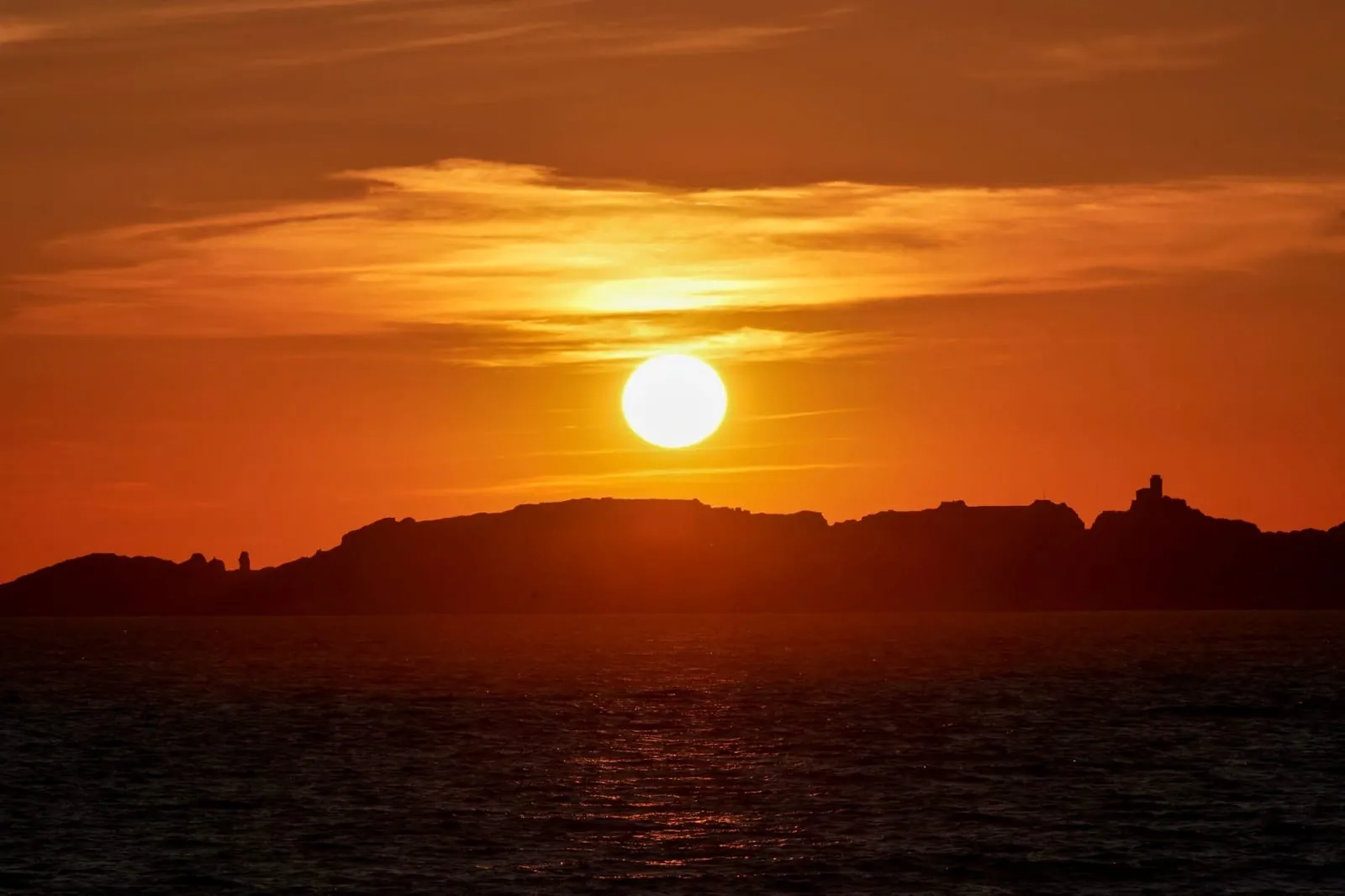
In Marseille, many table stories begin at sea. See our page pêche en mer Marseille: a trip from Pointe Rouge harbour with l'Estéou's owner and his fishermen friends.
Book your table
Tuesday-Saturday · 10am to midnight · Sunday 12pm-2pm · Closed on Monday