The journal · Marseille cuisine
What is a traditional bouillabaisse?
More than a fish soup: a Marseille ritual born among fishermen, made of rockfish, saffron and a two-course service. Here is what sets a true bouillabaisse apart.
A definition, not just a recipe
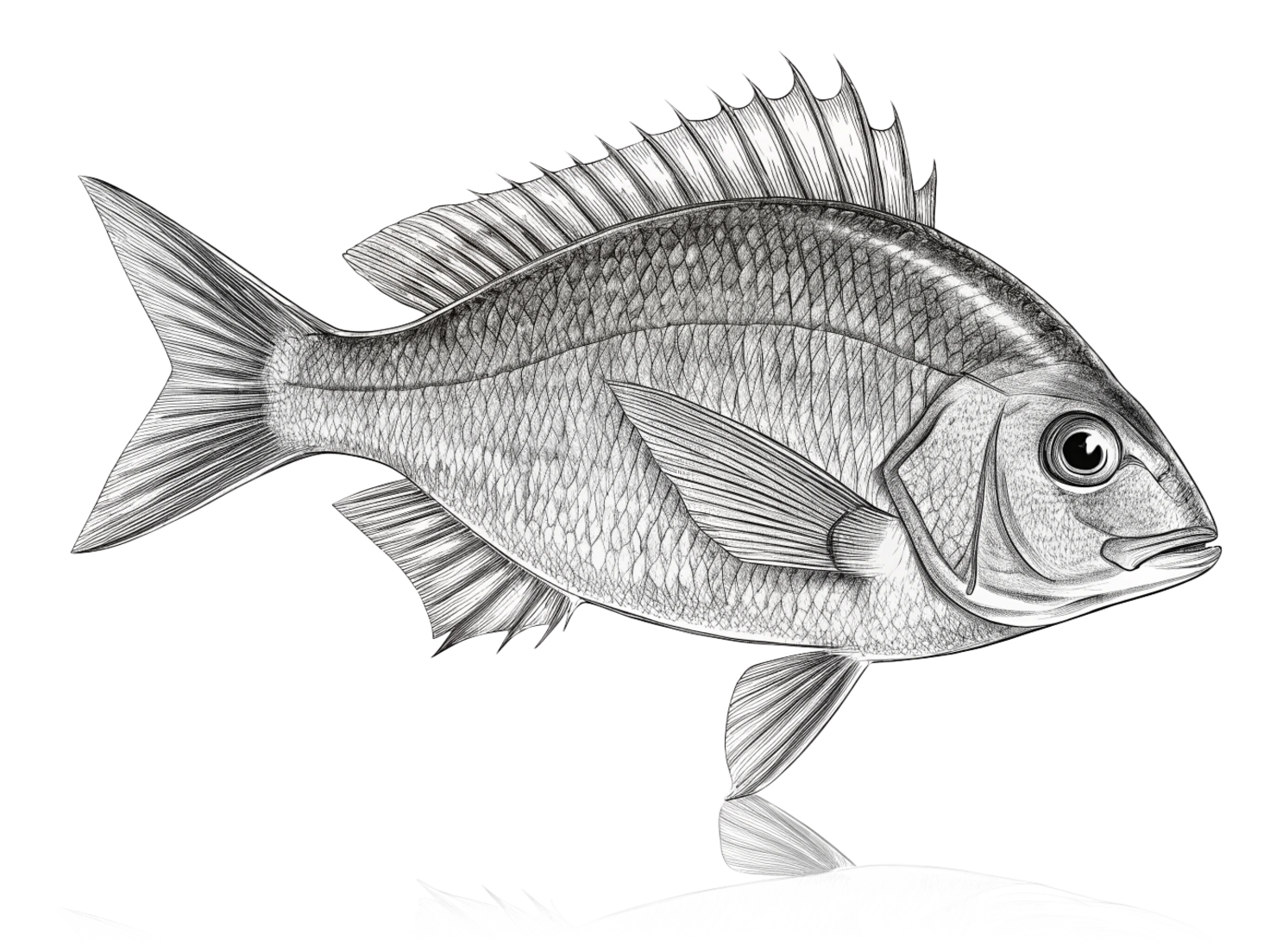
Traditional bouillabaisse is the emblematic dish of Marseille and the Provençal coast. It began as the fishermen's meal at La Pointe Rouge: they cooked the unsold rockfish in a broth scented with olive oil, garlic and garrigue herbs. From this everyday cooking a celebratory dish was born.
What makes a bouillabaisse “traditional” is neither a secret technique nor a rare ingredient: it is respect for a precise trilogy — Mediterranean rockfish, a carefully built saffron broth, and a two-course service that keeps the soup and the fish apart.
The heart of the dish
Rockfish, and nothing else
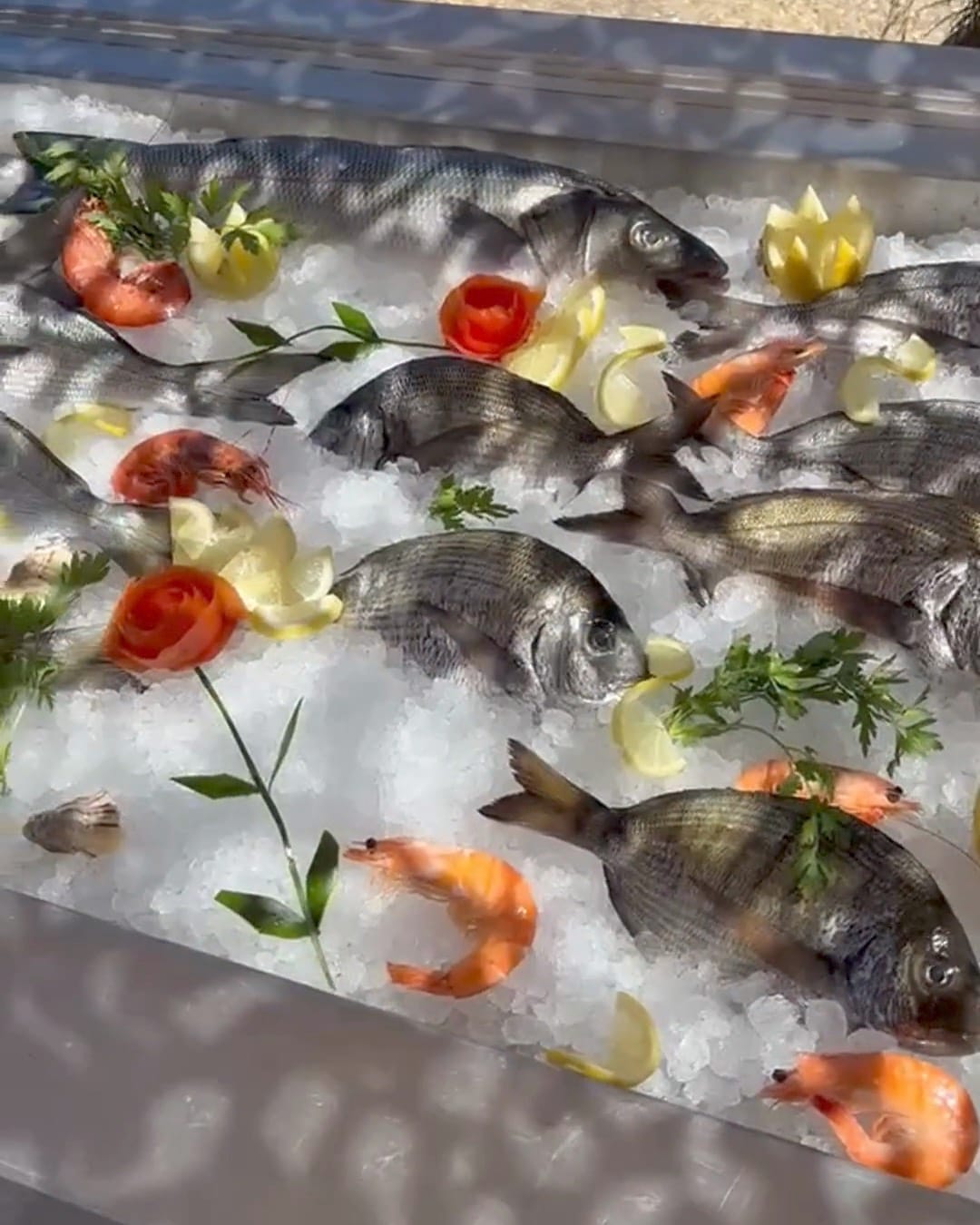
A true bouillabaisse relies on rockfish caught off the calanques: scorpionfish, gurnard, weever, conger eel, John Dory or red scorpionfish. They give the broth its deep, briny taste, impossible to reproduce with farmed fish.
The Marseille rule holds that a bouillabaisse worthy of the name must bring together at least four different species. At l'Estéou we work the fish according to the day's catch, selected from local fishermen — a freshness you can taste from the very first spoonful.
The three pillars of a real bouillabaisse
The broth
Rockfish, tomato, fennel, garlic and saffron simmered slowly, then strained into a dense, orange, fragrant fumet.
The rouille
A Provençal sauce of garlic, saffron and olive oil, spread on golden croutons rubbed with garlic before being dipped into the soup.
The two-course service
First the broth with its croutons and rouille, then the fish brought whole and carved at the table. Two pleasures in a single dish.

The ritual
A dish to be lived at the table, facing the sea
Bouillabaisse is not served like an ordinary soup. You first enjoy the saffron broth, spread with rouille on its croutons, then the fish is brought whole and carved before you. This ceremony, inherited from the fishermen's cabanons, is part of the experience itself.
The origins
Born on the harbour, still faithful to La Pointe Rouge
The word “bouillabaisse” is said to come from the Provençal “boui-abaisso”: when it boils, lower the heat. The whole technique lies in that phrase — a lively then controlled cooking that binds the olive oil to the broth.
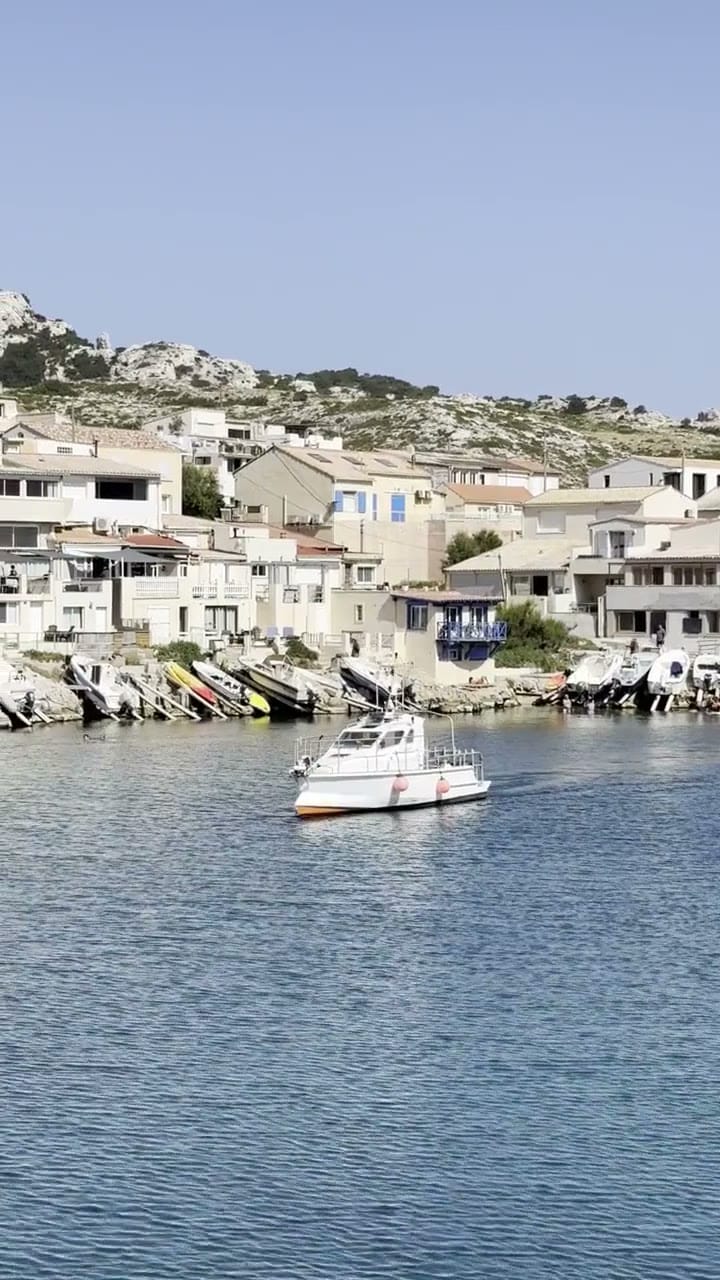
The dish is inseparable from Marseille's small harbours such as La Pointe Rouge, where fishermen brought in their catch each morning. This is the heritage we carry on, a few metres from the water, faithful to the product and the gesture.
Your questions about bouillabaisse
What is the difference between a bouillabaisse and a fish soup?
Fish soup is a blended, smooth broth served with rouille and croutons. Bouillabaisse goes further: it offers whole rockfish, served separately after the broth, in a genuine two-course service.
Which fish go into a traditional bouillabaisse?
Mainly Mediterranean rockfish: scorpionfish, gurnard, weever, conger eel, John Dory, red scorpionfish. The Marseille tradition calls for at least four different species.
What is rouille?
It is the sauce that accompanies bouillabaisse: an emulsion of garlic, saffron, chilli and olive oil, spread on garlic-rubbed croutons that are then dipped into the broth.
Why is bouillabaisse saffron-coloured and orange?
Its colour comes from saffron, tomato and the long cooking of the rockfish, which concentrate and colour the broth. Saffron also brings its distinctive aroma.
Can I eat a bouillabaisse at La Pointe Rouge?
Yes. At l'Estéou, on the waterfront at La Pointe Rouge, we work the fish according to the day's catch. We recommend booking to be sure of enjoying it.
Also worth discovering
Keep exploring Marseille cuisine and our specialities from the sea.

Book your table
Tuesday, Sunday · 10am to midnight · Closed on Monday